LED Grow Light Installation Guide
Expert insights from our Zhongshan LED grow light engineering team
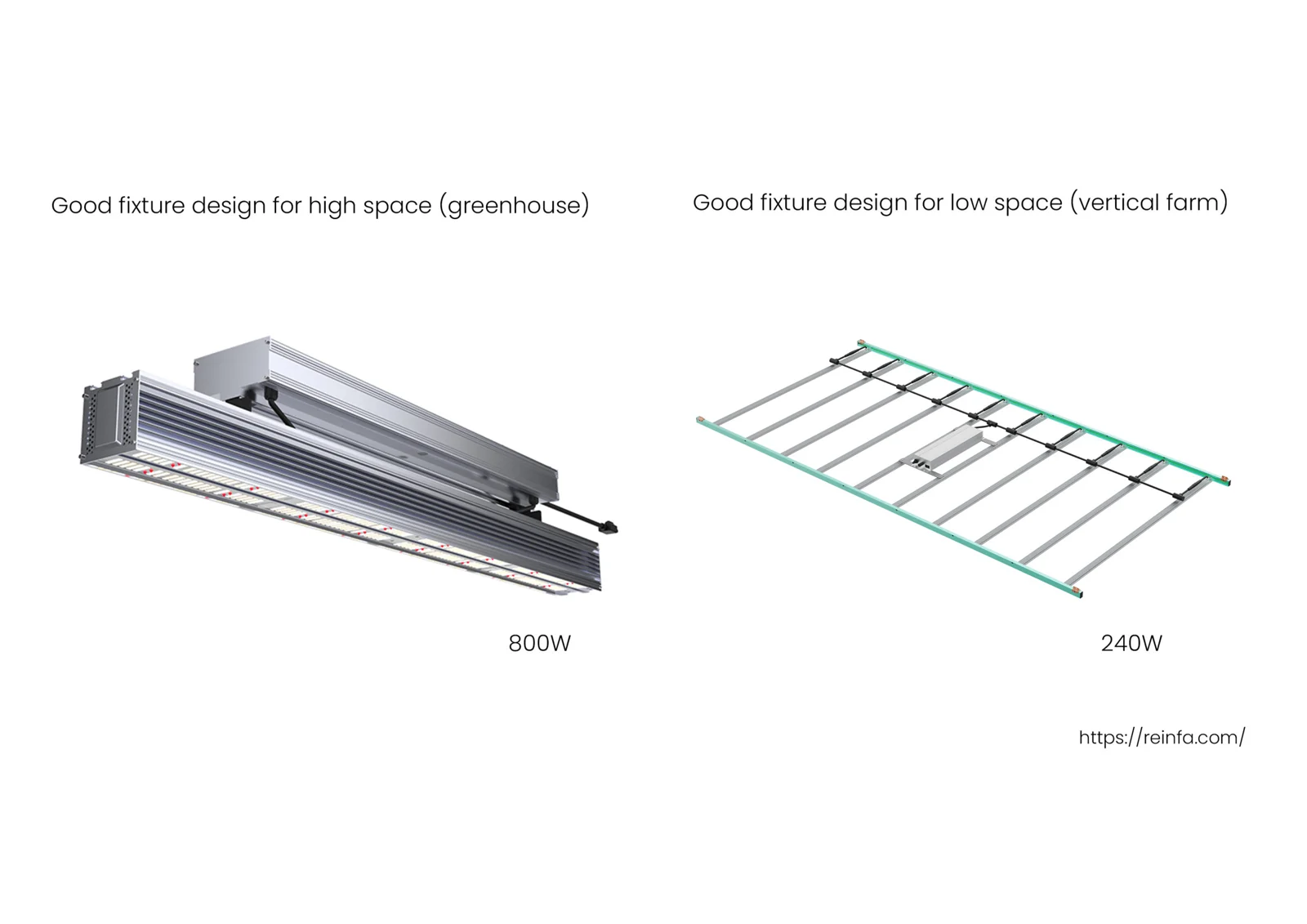
Plan LED grow light mounting, spacing, electrical work, controls and commissioning using model data and a measured crop-plane layout.
Begin with a layout
Use the fixture's photometric or PPFD data, canopy dimensions, reflectance and mounting constraints to create a crop-plane layout. Generic wattage-to-spacing rules cannot account for different optics and room geometry.
Confirm structure and clearance
Check fixture mass, mounting points, safety cables, service clearance and local structural requirements. Follow the exact model manual for minimum clearances and orientation.
Use qualified electrical design
Circuit loading, conductor size, protection, grounding and wet-location requirements depend on voltage, local code, inrush current and the selected fixture. Installation should be designed and completed by qualified professionals.
Plan controls before wiring
Define dimming protocol, zones, emergency behavior, gateway location and the maximum supported fixtures per channel before cables are installed.
Commission and record
Verify operation, power, dimming, controls and PPFD at repeatable canopy points. Save the fixture schedule, serial numbers, settings and baseline measurements for maintenance.
Need fixtures matched to a project?
Send the crop, layout, target light level, voltage and quantity for a structured comparison.
Share Project Requirements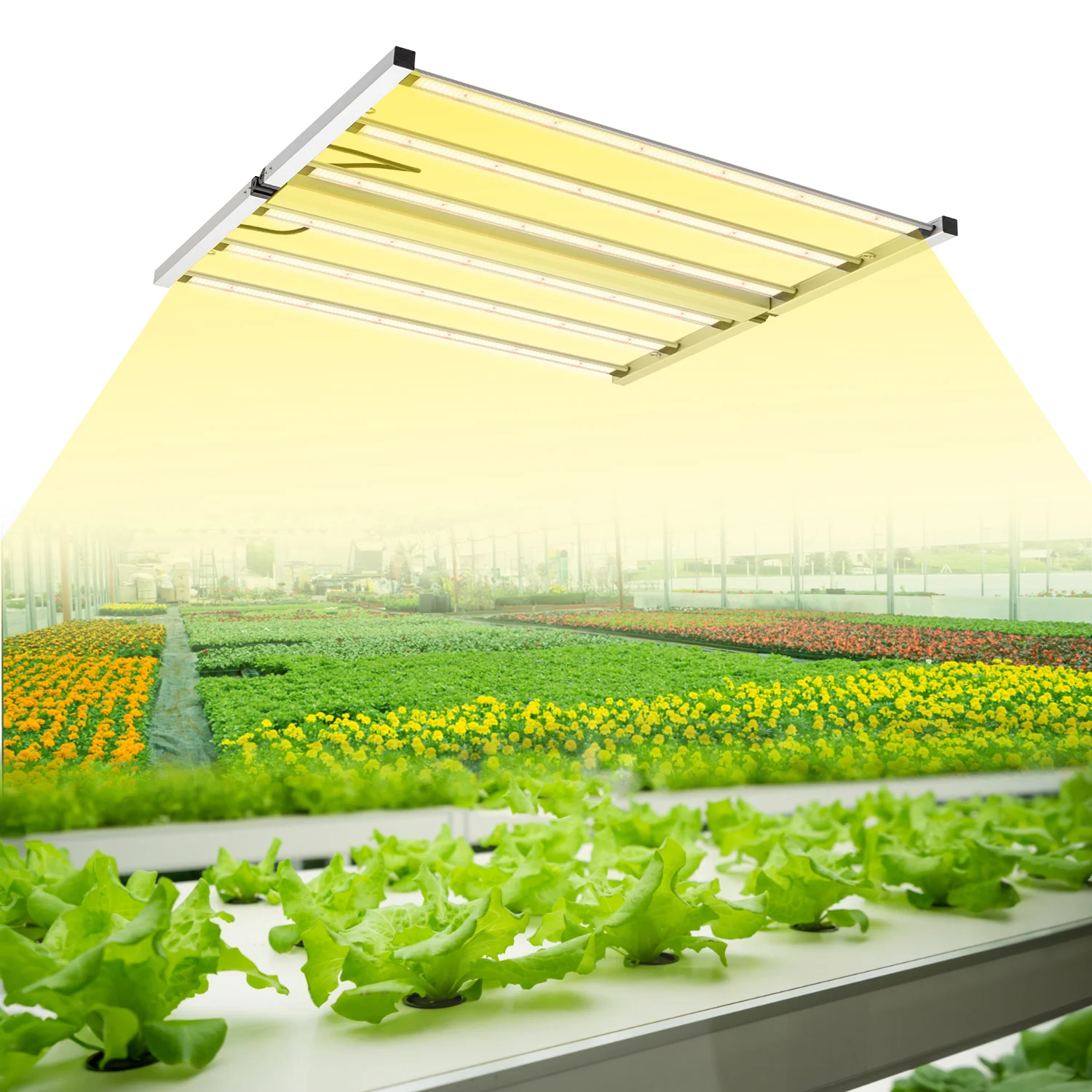
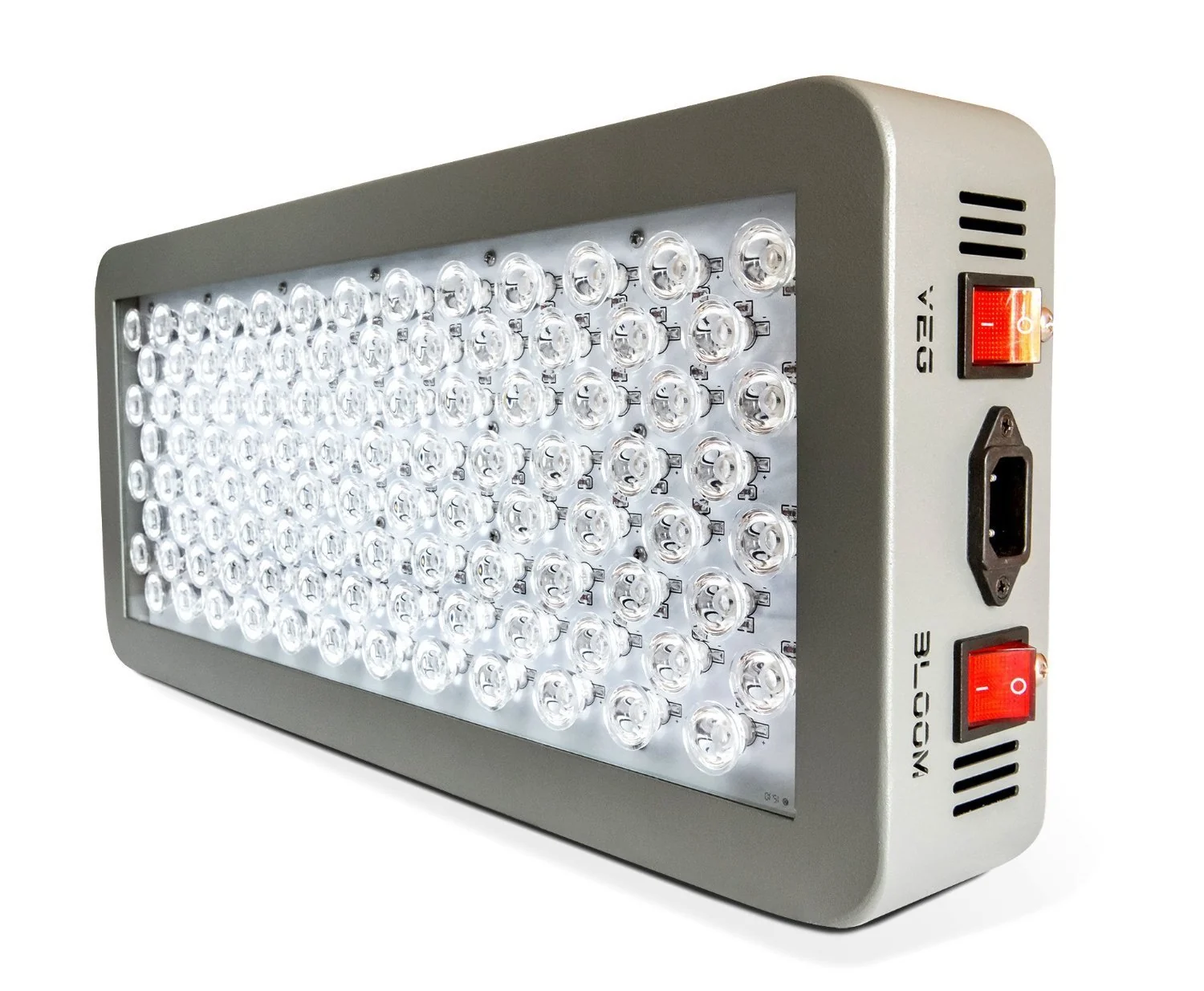
Make the equipment schedule installation-ready
Organize the bill of materials by room or greenhouse bay. Identify each fixture type, suspension set, driver, control cable and power connection. Mark mounting points and cable routes on the drawing, then record which accessories are supplied with the lights and which are provided by the installer.
At handover, keep the fixture schedule, model references, driver details and control settings together. Include a plan with the measurement points used during commissioning. The same records help when ordering spare cables, adding another room or comparing performance after maintenance.