How to Choose LED Grow Lights for Commercial Use
Expert insights from our Zhongshan LED grow light engineering team
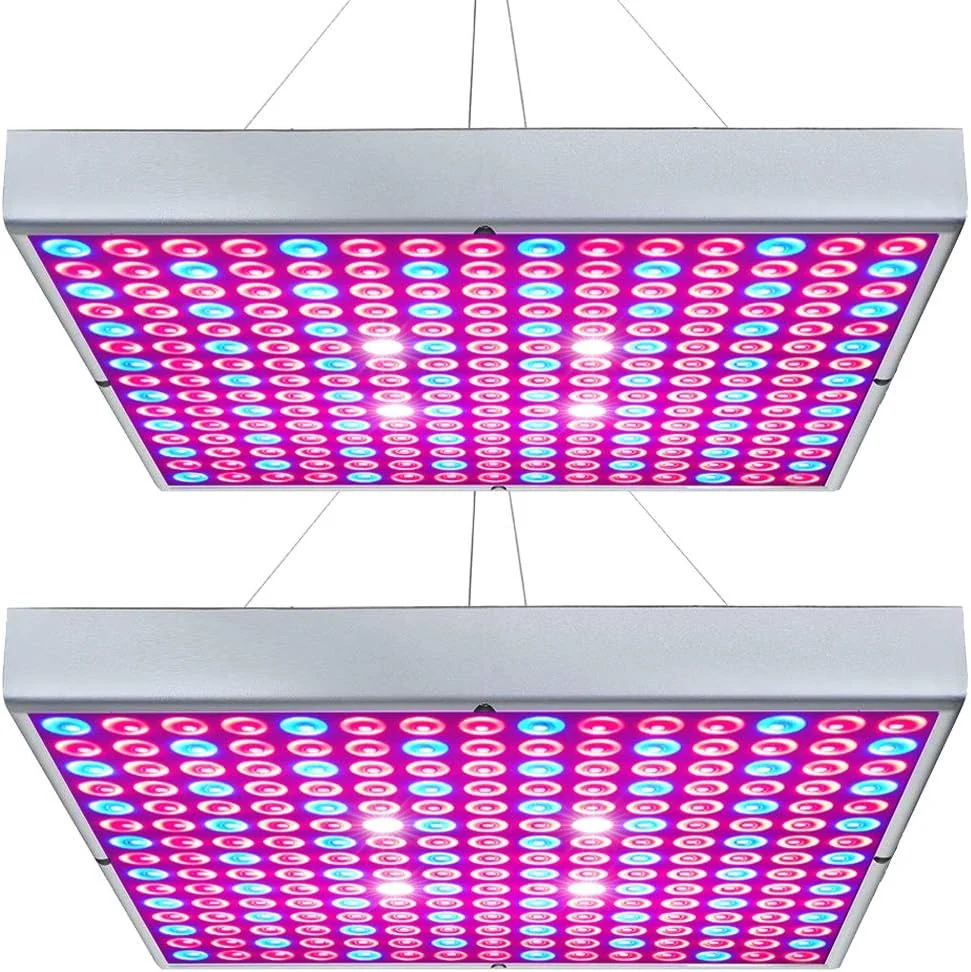
Commercial grow light selection should begin with the crop, canopy, installation conditions and operating plan before comparing fixtures and commercial terms.
Define the canopy target
Share the crop, growth stage, area, target PPFD or DLI, photoperiod and mounting height. Ask candidate suppliers to provide PPFD distribution on the same height and grid.
Compare complete-fixture efficacy and distribution
PPE describes how efficiently electrical energy becomes photosynthetic photons, but it does not replace a layout. Compare input power, PPF, distribution, uniformity, temperature conditions and dimming range together.
Match spectrum to crop and stage
White, deep-red, far-red and UV channels serve different purposes. Established full-spectrum platforms suit many projects; multi-channel systems are useful when the crop strategy needs independent adjustment.
Electrical and environmental conditions
Confirm voltage, plug, control protocol, temperature, humidity, irrigation exposure, cleaning method and service space before selecting enclosure and connection options.
Target-market documents
North American projects commonly focus on an accepted safety listing, EU projects require conformity documentation, and qualifications such as DLC depend on the program. Organize files around the exact quoted model.
Samples and commercial terms
Before production, confirm the sample, rating label, packaging, key components, warranty workflow, lead time, inspection and shipping terms so quotations remain comparable.
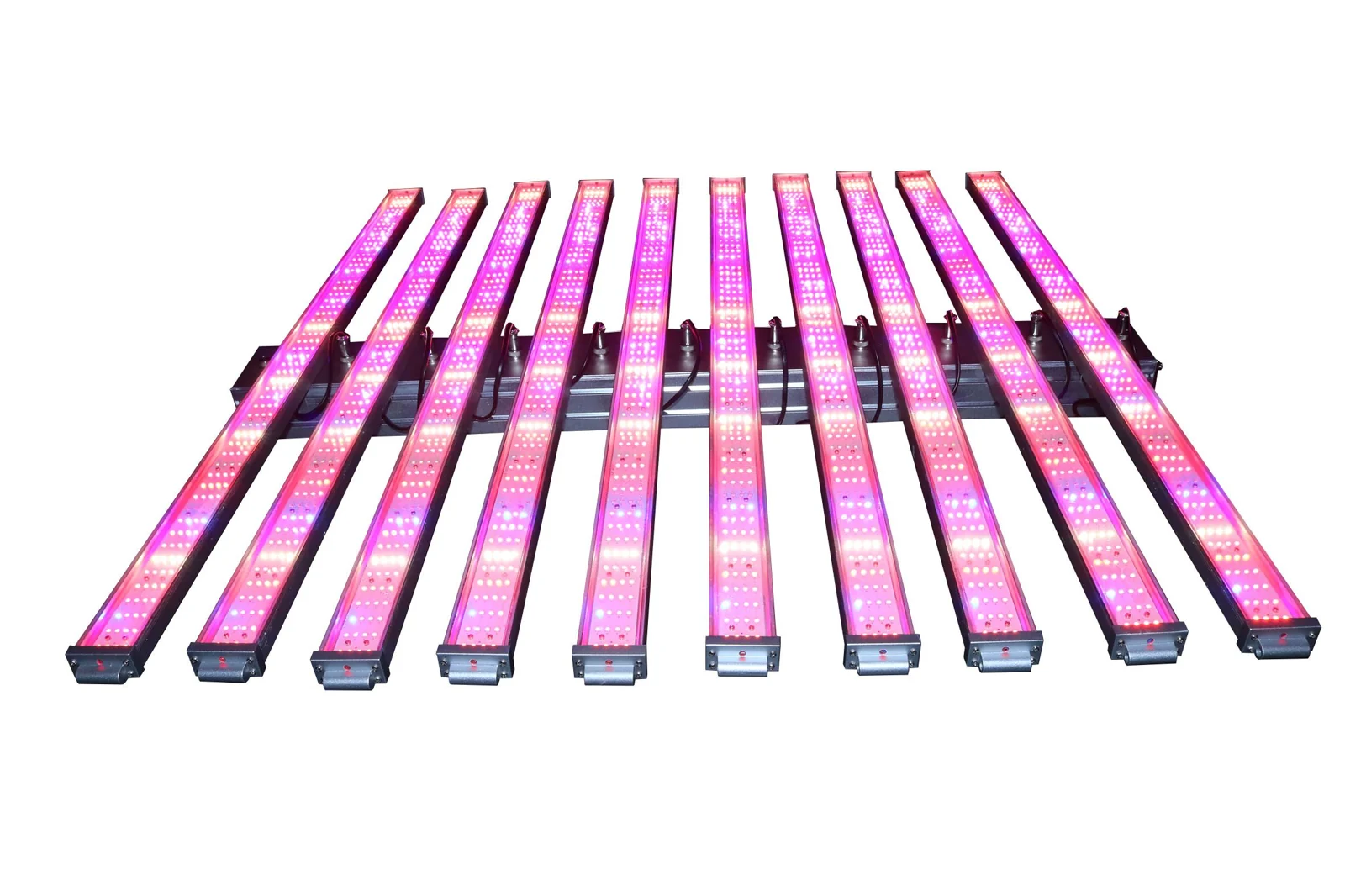
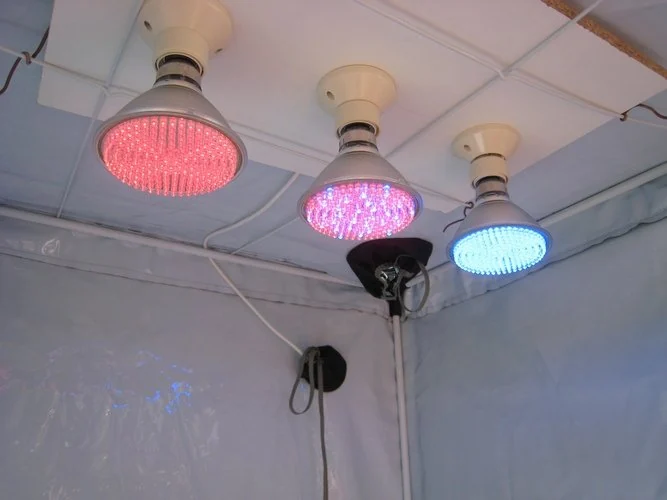
Compare quotations on the same basis
A useful comparison sheet has one column per candidate fixture and one row for each purchasing decision. Begin with fixture dimensions, actual input power, PPF, PPE, spectrum, mounting height and the PPFD grid. Add voltage, dimming, accessories, packed dimensions and the requested quantity. Keep the sample configuration visible next to the production proposal.
For a room-level decision, compare the total fixture count and installation scope as well as unit price. A higher-output fixture can require a different layout, while a compact fixture may offer easier placement. Send one common drawing and operating brief with every enquiry to make those differences visible.